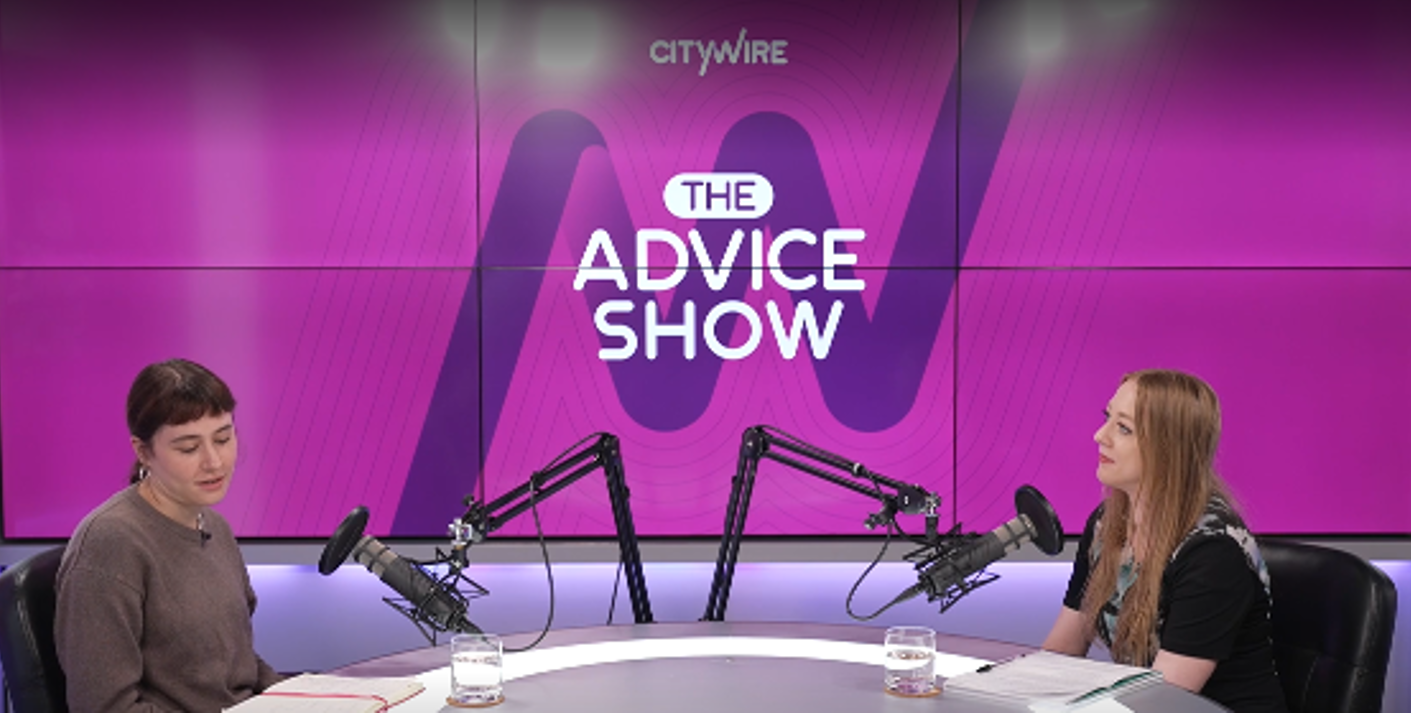
The full article can be found below:


News & Insights | 14th July 2026
Wealth Planning
5 Min Read
This article was published by Professional Adviser on 14th July 2026.

Professional Adviser has just run a piece looking at how the financial advice industry supports those clients with disabilities.
One of our financial planners, Olivia Perry was asked for her views:
Other challenges include the format advice is given, Connor Broadley financial planner Olivia Perry says.
This is not only from a physical perspective, with obstacles such as using an app, accessing a portal, attending two-hour meetings, or processing a lengthy report, sometimes being difficult for clients.
“For many people with disabilities,” Perry expands, “the format of an interaction can be the barrier, not the content.
“As an example, for some, asking very open-ended questions can be difficult and may lead to short answers without the depth required to provide personal advice.
“Understanding if a change in communication direction or format is required is important to fully know your client.”
She also discusses how advisers needing confidence “in having what feels like awkward conversations” outside their experiences and knowledge can be a barrier.
“There is an equally significant challenge in that not all clients will be upfront about their disability, and they do not have to disclose any diagnoses with you,” Perry continues.
“This is why showing upfront that services can be adapted and are flexible around individual needs matters, without putting clients under pressure to talk about something they may wish not to share and may not be material to the advice needing to be given.”…
The full article can be found below:
Clients with vulnerabilities have been a focus in the profession recently, with questions being raised over accessibility in advice for those with disabilities.
Although financial advice can be beneficial to those with disabilities, it is not always accessible, with both physical and mental barriers in the way for some.
A report from City Hive, Financial Inclusion & Disability: Rebuilding trust in financial services, surveyed 1,011 people, with 54% (506) self-identifying as being disabled.
Some 19% of the disabled people polled said they wished they had received financial advice in the past five years.
With all the challenges clients with disabilities face, PFS non-executive director and disability and access ambassador for insurance Edward Grant argues “we probably haven’t gone broad enough in terms of the support we offer” as a profession compared to other sectors.
For example, the government’s disability and access ambassador for the banking sector Kathryn Townsend has been encouraging more work around deaf customers.
Meanwhile, Grant notes that in the advice profession, he does not see a wide use of subtitles or many advisers using BSL to accommodate those with hearing difficulties.
Grant says: “It doesn’t feel like that has transferred over to the financial planning world.”
However, he acknowledges there have been “massive improvements”.
While 24% of the population identifies as having a disability, there are still challenges the advice space faces when it comes to accessibility.
For example, SENDA CEO Rhiannon Gogh, who specialises in tailoring advice to parents of children with special educational needs, acknowledges there are many financial products assuming mental capacity, financial independence and straightforward access to money.
“Those assumptions don’t always reflect the reality for disabled people or their families,” Gogh stresses.
Additionally, advisers must often navigate benefits, social care, trusts and decision-making law alongside traditional financial planning.
This can impact how people with disabilities or parents of children with disabilities choose to engage with traditional finance tools such as a junior ISA.
Gogh explains: “It works well for many families, but if a young person lacks capacity and needs means-tested care at 18, just having those savings can become far more complicated than parents ever expected.”
The UK government is beginning to acknowledge the specific challenges surrounding those with disabilities and traditional finance tools.
Recently, Liberal Democrat MP John Milne sought to introduce a Child Savings Accounts (Mental Capacity and Disability) Bill under the Ten Minute Rule.
The Bill is designed to make provision for access to matured child savings accounts held in the name of a young person who lacks capacity and requires the secretary of state to review savings provision for young people with disabilities.
A second reading of the Bill will take place on 29 January 2027.
Other challenges include the format advice is given, Connor Broadley financial planner Olivia Perry says.
This is not only from a physical perspective, with obstacles such as using an app, accessing a portal, attending two-hour meetings, or processing a lengthy report, sometimes being difficult for clients.
“For many people with disabilities,” Perry expands, “the format of an interaction can be the barrier, not the content.
“As an example, for some, asking very open-ended questions can be difficult and may lead to short answers without the depth required to provide personal advice.
“Understanding if a change in communication direction or format is required is important to fully know your client.”
She also discusses how advisers needing confidence “in having what feels like awkward conversations” outside their experiences and knowledge can be a barrier.
“There is an equally significant challenge in that not all clients will be upfront about their disability, and they do not have to disclose any diagnoses with you,” Perry continues.
“This is why showing upfront that services can be adapted and are flexible around individual needs matters, without putting clients under pressure to talk about something they may wish not to share and may not be material to the advice needing to be given.”
A key part of inclusivity within financial advice is asking the questions rather than assuming.
“We don’t assume future independence,” says Gogh. “Instead, we look at how disability, vulnerability and potential long-term dependence impact financial decisions throughout life.”
Identifying issues early, asking different questions and using specialist planning frameworks and advice blueprints designed specifically for these families can help encourage accessibility.
For example, Gogh recommends using the ARC framework, which encourages advisers to consider how accessible their recommendations are.
This is especially for when there are concerns around decision-making, to consider foreseeable risks, and the impact of future care and support needs, rather than the more traditional financial planning recommendations.
Educational tools for advisers focusing on clients with disabilities have historically been limited.
However, last month, SENDA launched two introductory training courses for special needs planning accredited by LIBF.
The courses – the LIBF-Accredited Introduction to Special Needs Planning and the LIBF-accredited SENDA Foundation Course – are designed to build “awareness, curiosity and a foundational understanding of the financial and estate planning needs of families with disabled or vulnerable dependants among professionals who may currently have little or no experience in this area”.
While, according to research the number of children with disabilities has nearly doubled over the last decade, Gogh notes, she doesn’t believe a lack of necessity is the reason it has taken so long for an accredited training course to exist.
“I think it’s because the connections weren’t made between what these families need and what financial planners can offer,” Gogh says.
Disability planning has been split across financial advice, law, social care and the benefits system, each professional “in their own lane”.
Gogh highlights: “Families, however, don’t experience those challenges separately. They experience them all at once. A financial planner can bring it all together.”
Grant believes it is also important for advisers to employ those with disabilities to help make the profession more accessible.
“I think we have much to offer disabled people,” he says, highlighting the flexibility the role offers.
“It’s an ideal role for someone with a disability because you have that way of running your own business and being an entrepreneur.”
From his experience, people with disabilities, especially neurodivergence, typically run their own businesses as they “find the employed world difficult”.
He stresses that these advisers can also offer “insights and empathy for a group of people who have historically been underserved by our sector.”
Ultimately, “wealth is not a barrier to disability”, Grant states, and the advice sector should reflect this.